
Betting is both a psychological phenomenon and a financial risk. One curious habit in betting is the tendency to back favorites—whether a team, a player, or a horse. People do this even though favorites often have low odds and small payouts on platforms such as 22Bet login. This goes against the logic of maximizing profit. It suggests deeper psychological forces are at work. Below are four key psychological reasons behind this behavior.
1. The Comfort of Familiarity
Humans are creatures of habit. They are often drawn to the familiar over the unknown. In betting, this shows up as a preference for favorites—teams, players, or entities with a strong track record. Cognitive biases like the mere exposure effect play a role. The more we are exposed to something (like a famous athlete or team), the more we tend to favor it.
For example, fans of Novak Djokovic or Serena Williams may bet on them even against tough opponents. Familiarity creates a sense of safety. It lowers the feeling of risk, even when the odds don’t support this belief.
2. Emotional Attachment and Loyalty
Emotions heavily influence decision-making, especially in betting. Many bettors feel a deep emotional connection to their favorite teams or players. This connection often comes from years of admiration or fandom. As a result, they feel compelled to support their favorites, even when logic suggests otherwise.
This ties to a concept called affective forecasting, where people predict their future emotions. Betting on favorites gives a sense of participation and shared victory. It makes their favorite’s success feel even sweeter. On the other hand, betting against them can feel like betrayal or guilt, which strengthens loyalty-driven bets.
3. Overconfidence and Confirmation Bias
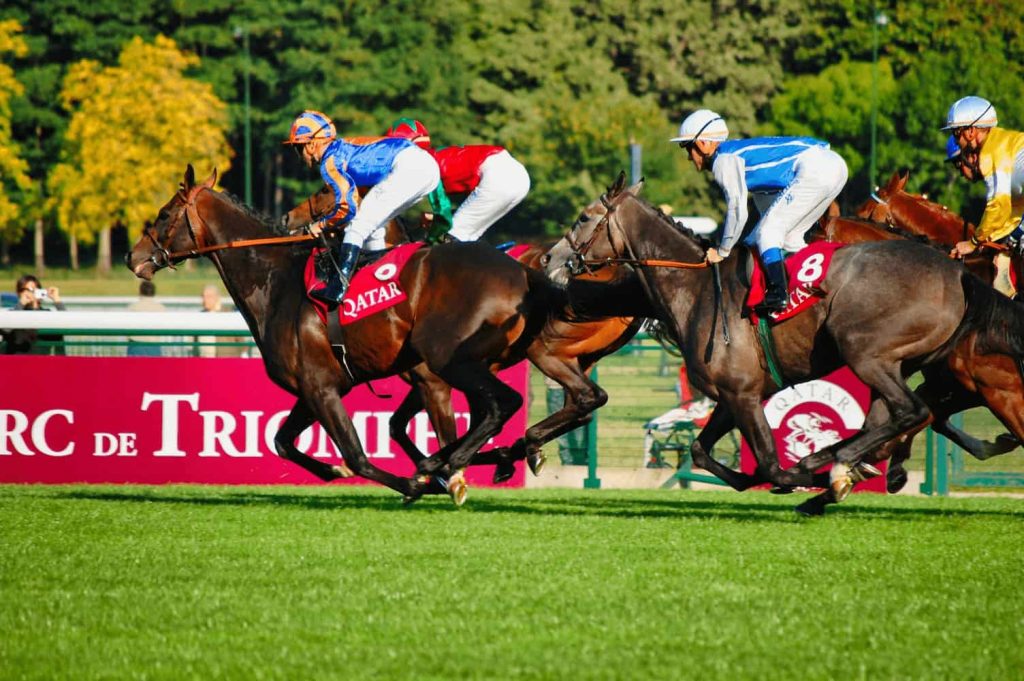
Fans of a favorite player or team often show overconfidence. They believe they can predict outcomes better than they actually can. This is often paired with confirmation bias. People focus on information that supports what they already believe and ignore anything that contradicts it.
For example, a fan betting on a successful football team might overlook recent injuries or poor performance. Instead, they focus on the team’s past victories. This distorted view strengthens their belief that the favorite will win, even when the odds say otherwise.
4. Perceived Certainty and Risk Aversion
Betting on favorites often comes from a need for certainty and a low tolerance for risk. Favorites are seen as “safe bets” with a higher chance of success, even if the returns are small. This ties to prospect theory, which shows that people avoid risk when losses are possible.
The theory explains why bettors choose a small, likely win over a riskier bet with bigger rewards. For casual bettors, winning anything—no matter how small—is more appealing than losing everything. This risk-averse mindset keeps favorites popular, even when the odds offer little value.
The Bigger Picture: Betting as an Emotional Experience
For many bettors, financial gain is important, but betting is also tied to emotions, identity, and social experiences. Supporting favorites stirs feelings of nostalgia, pride, and belonging. These emotions often outweigh rational thinking. Betting on favorites also lets people align their choices with their values or loyalties, creating a sense of authenticity and satisfaction.
External factors like media and public opinion add to this effect. Popular athletes and teams get more attention, reinforcing their status as favorites. This keeps the cycle of betting on familiarity and perceived certainty alive.
Favorites
Betting on favorites might seem illogical financially, but it makes sense psychologically. Familiarity, emotional attachment, overconfidence, and risk aversion all play a role. These factors explain why this behavior is so common.
By understanding these influences, bettors can make better decisions. They can balance emotional satisfaction with strategic thinking. While betting on favorites may not bring the biggest returns, it reveals the complexities of human decision-making and the strength of loyalty.