
In the dim, adrenaline-filled halls of a casino, the allure of blackjack is undeniable. It’s a game of quick decisions, calculated risks, and the tantalizing hope of beating the house. Card counting, a technique steeped in intrigue and glamorized by Hollywood, is often portrayed as a golden ticket to riches. But is it really? Let’s separate fact from fiction, dive into the math, and understand why casinos don’t roll out the red carpet for card counters.
The Math Behind Card Counting: A Numbers Game
At its heart, card counting is about memory and probabilities. Blackjack isn’t like roulette, where each spin starts fresh; here, the past influences the future. Every card dealt shifts the odds, tilting the scales in favor of either the player or the house.
Card counting works by assigning values to cards. Low cards (2-6) get a +1 value because their removal increases the player’s chances of landing a blackjack. High cards (10, face cards, and aces) are worth -1 because they’re crucial for a winning hand but deadly when depleted. Cards 7-9 are neutral—just the wallflowers of the deck.
A player keeps a “running count,” mentally tracking these values as the game unfolds. Combine this running count with the number of decks in play, and you get the “true count,” which is the actual measure of your advantage. If the true count is high, the deck is rich in high-value cards, and the player’s odds improve. It’s not magic—it’s math. And it’s why card counting rewards practice, not luck.
For those who prefer online blackjack, platforms like TonyBet provide a seamless and immersive gaming experience. With options for live dealers, players can still enjoy the thrill of strategizing while playing from the comfort of their homes.
The MIT Blackjack Team: Masters of the Game
No discussion of card counting would be complete without mentioning the MIT Blackjack Team. These students turned what seemed like an academic exercise into a full-blown casino conquest. In the late 20th century, they used sophisticated teamwork and card counting techniques to rake in millions.
Here’s how they did it: One team member would play the game and count cards discreetly. When the deck was “hot,” they’d signal a teammate, often using subtle gestures or code words, to step in and place large bets. This tag-team approach helped them stay under the radar—at least for a while.
The team’s escapades, immortalized in the movie 21, highlight the potential of card counting when combined with discipline, teamwork, and a little flair. But while Hollywood paints a picture of glamour and endless wins, the reality for most card counters is far less dramatic.
Card Counting: Legal but Not Welcome
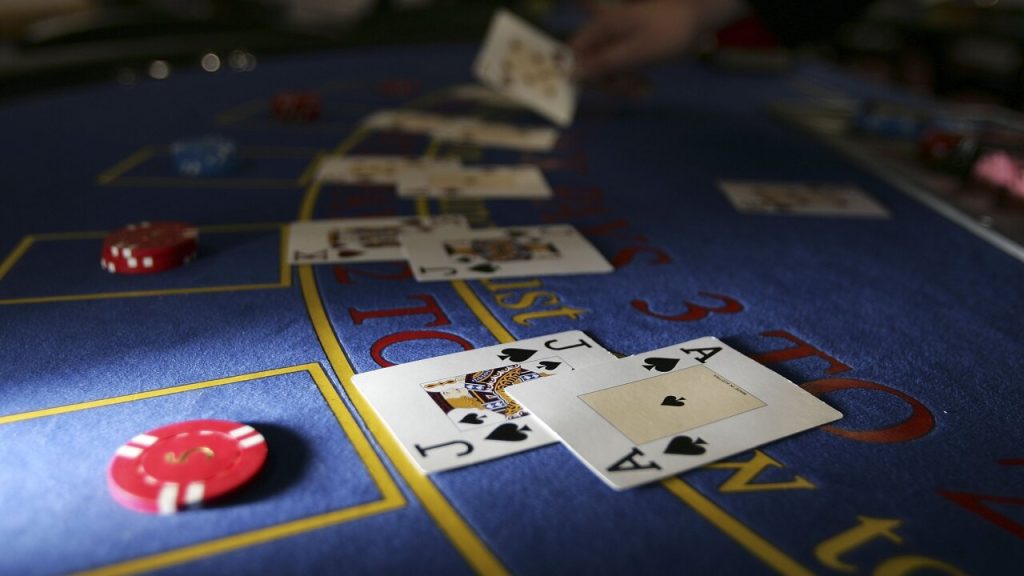
Here’s where the story takes a turn. Despite what movies might suggest, card counting isn’t illegal. It’s a skill, not a scam, and casinos can’t call the cops just because you’re good at math. However, they don’t have to welcome you either.
Casinos are private establishments, and they reserve the right to show you the door if they suspect you’re counting cards. If you’ve ever seen a gambler escorted out with little more than a polite nod and a stern smile, you’ve witnessed how seriously casinos guard their edge.
Why the fuss? Card counting flips the house advantage on its head. Normally, the casino has a slight edge, ensuring profit over time. A skilled card counter, however, can shift that edge in their favor, which means potential losses for the house. It’s like taking a flashlight to their well-crafted shadow game—and they don’t like it.
Fact vs. Fiction: The Hollywood Spin
Movies like 21 and Rain Man make card counting seem like a secret superpower. Characters effortlessly track cards, rake in cash, and leave the casino with a smug grin. Reality, however, is less cinematic.
In truth, card counting demands intense focus, endless practice, and nerves of steel. Even the best counters face long stretches of losses before reaping rewards. And while movies often depict counters as lone wolves, real-life teams like MIT thrived on collaboration.
Then there’s the casino surveillance—far more sophisticated than Hollywood lets on. Modern casinos use cameras, algorithms, and even behavioral analysis to spot counters. It’s a constant cat-and-mouse game where the house always has the upper hand.
The Verdict: A Strategy, Not a Shortcut
Card counting is neither the mythical jackpot portrayed in films nor the crime it’s sometimes mistaken for. It’s a legitimate strategy rooted in math and discipline, but it’s far from a guaranteed win. For every dramatic movie montage of big wins, there are countless hours of practice and countless hands played.
So, the next time you’re at a blackjack table, remember: while the allure of card counting is strong, the reality is a mix of strategy, risk, and sheer determination. It’s a game within a game, where the stakes are as high as the house will let them be. And if you’re thinking about giving it a go, just make sure you don’t give away the game with a tell-tale grin when the deck turns hot.